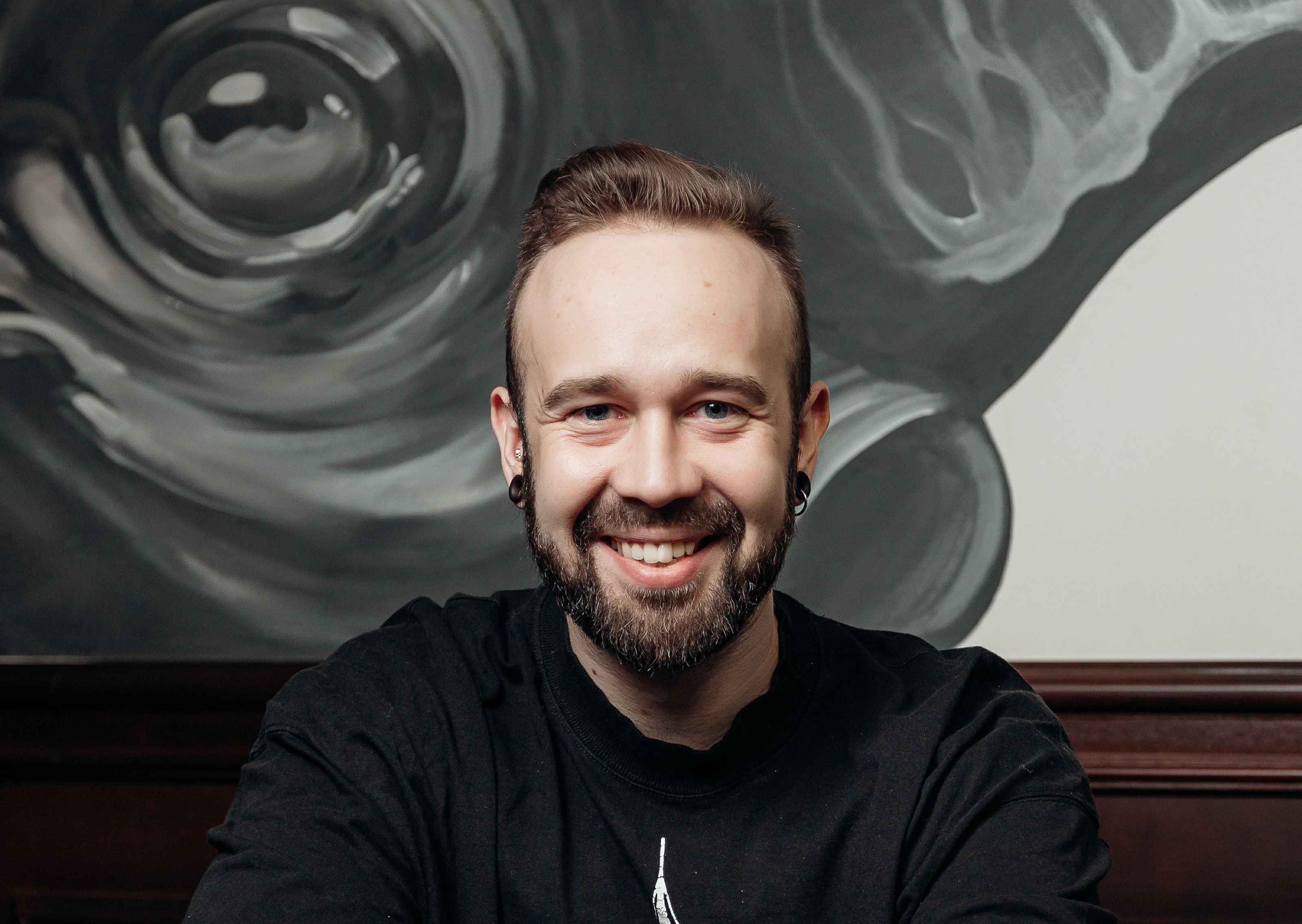
In an era defined by visual speed and rapidly shifting trends, the tattoo industry is increasingly confronted with the question of artistic responsibility. We spoke with Roman Zao — an internationally recognized tattoo artist, judge at major tattoo conventions in the United States, and author of academic publications — about why following trends cannot serve as a primary compass in the profession, and where true artistic maturity begins.
— Roman, you often speak about the responsibility of the artist. What does this concept mean to you?
— Responsibility begins the moment you stop orienting yourself solely around external demand. A trend is always temporary. A tattoo stays with a person for life. An artist must understand the difference between what is fashionable today and what will still carry meaning tomorrow.
— Does that mean trends are a problem for the tattoo industry?
— Trends themselves aren’t the problem. The problem begins when they replace thinking. When an artist works only within the logic of trends, they stop being an author and become an executor. At some point, you have to ask yourself whether you’re creating an image or simply reproducing visual noise.
— How does this position translate into your own practice?
— I deliberately avoid template-based solutions. Every tattoo is a dialogue with a specific person, their body, and their personal history. The artist’s responsibility isn’t just to create something visually appealing, but to understand what exactly they are leaving on someone’s body.
— You serve as a judge at international tattoo conventions. How often do you encounter trend-driven work?
— Very often. There’s a lot of technically strong work. But when you review dozens or hundreds of tattoos in a row, it becomes immediately clear where there’s an authorial position and where there’s simply an attempt to match current fashion. Trends fade quickly. The absence of thinking is visible right away.
— What do you focus on first when judging?
— Coherence. How well form corresponds to idea, how respectfully the work engages with the body, and whether the artist understands the consequences of their decisions. In tattooing, there’s no “undo” button. That reality forces discipline.
— You are also engaged in academic research. How does that relate to the theme of responsibility?
— Directly. Research is a form of responsibility toward the profession. When you analyze tattooing as a cultural phenomenon, you begin to understand that your work doesn’t exist in isolation. It’s connected to history, society, and visual culture. That awareness changes how you approach every project.
— Can a research-based approach protect artists from blindly following trends?
— Yes, because you stop thinking in terms of “like” or “dislike” and start thinking in terms of meaning and context. A trend lives for a season or a year. Context lasts longer. An artist who understands that is always one step ahead.
— What role does international experience play in shaping this sense of responsibility?
— The international scene removes illusions very quickly. In a global environment, local status doesn’t hold much weight. You either meet the level or you don’t. And that’s where it becomes especially clear who thinks independently and who simply follows visual waves.
— In your view, what distinguishes a mature tattoo artist from a beginner today?
— The ability to say no. No to a trend, no to a template, no to a project that contradicts your position. Responsibility isn’t only about what you do — it’s also about what you refuse to do.
— How do you see the future of the tattoo industry in this context?
— I think the industry will continue to split. There will be service-oriented tattooing focused on speed and fashion, and there will be art focused on meaning and long-term relevance. Every artist will have to decide where they stand.
— And finally, where does artistic responsibility begin for you personally?
— Where the trend ends. The moment you stop asking what’s popular and start asking what you’re willing to take responsibility for years from now.
Roman Zao is one of those artists for whom the profession does not end with technique. His position is shaped at the intersection of practice, expertise, and research, where responsibility becomes not a limitation, but the foundation of artistic freedom.
Roman Zao official website:
https://tinyurl.com/3cyrv89y
Interviewer: Christopher Moor
Date: May 7, 2025