What Are the Top 5 AI Poster Maker Tools for Small Businesses?

Making posters is one of the most essential steps to a successful marketing campaign. If you’re looking for innovative and easy ways to promote your small business, look no further. You might’ve needed a professional to design posters for you before, but with AI-powered tools, you have access to many premium design features that do the heavy-lifting for you. 


In this blog post, we’ll go over top 5 AI poster makers available online and compare their AI features, who they’re best suited for, pricing breakdowns, and how to design an impactful poster. 


  1. Canva

Overview

If you’re looking for something general-purpose, quick, and beginner-friendly, Canva might be the best fit for you. It’s a globally-recognised design tool which allows you to create a variety of social media graphics from presentations, social media posts, to posters. It offers users access to thousands of free-to-use templates and is mobile-friendly for quick-editing on the go. 


Pricing 

  • Free plan
  • Pro plan: $12.99-14.99/month 
  • Teams: $20/month (per user)
  • Enterprise: Custom pricing 


AI Features 

  • Magic Write – Generate text and captions 
  • Text to Image/Video – Generates images and video clips from text prompts
  • Magic Edit/Eraser – Add or replace elements 
  • Magic Switch – Convert design formats and translate text
  • Magic Design – Generates editable templates from a text prompt or an uploaded document


Best For 

  • Small businesses
  • Beginner marketers
  • Content creators
  • Educators and students 
  • Marketing teams 


Pros and Cons 


Pros Cons
✅ Very beginner-friendly ❌ Limited advanced design features
✅ Large template library with many relevant themes and sizes ❌ AI credits are less on limited plans
✅ Real-time collaboration features for large marketing teams ❌ Can feel generic due to the popularity of the platform itself
✅ Large variety of assets such as photos, videos, and elements  ❌ Growing features can make the user interface feel cluttered


  1. Snappa

Overview

Snappa offers users a beginner-friendly solution for high-quality visuals on a budget. If you’re trying to avoid complex softwares, this platform focuses specifically on social media content creation. It’s also cloud-based so saving and sharing designs is quite simple. Its template library is limited but offers clean, minimal, and trendy poster layouts. 


Pricing 

  • Free plan
  • Pro plan: $10/month 
  • Team plan: $20/month 


AI Features 

  • One-click background removal
  • Instant resizing options 
  • One-click editing 
  • Built-in stock library 
  • Preset dimensions for ready-made templates


Best For 

  • Bloggers
  • Content creators
  • Non-designers
  • Small business owners 


Pros and Cons 


Pros Cons
✅ Distraction-free user interface ❌ Not suitable for complex campaigns
✅ Easy resizing options for omnichannel marketing  ❌ Minimal innovation in terms of AI features
✅ Built-in stock photos and icons  ❌ Not suitable for advanced design
Read more

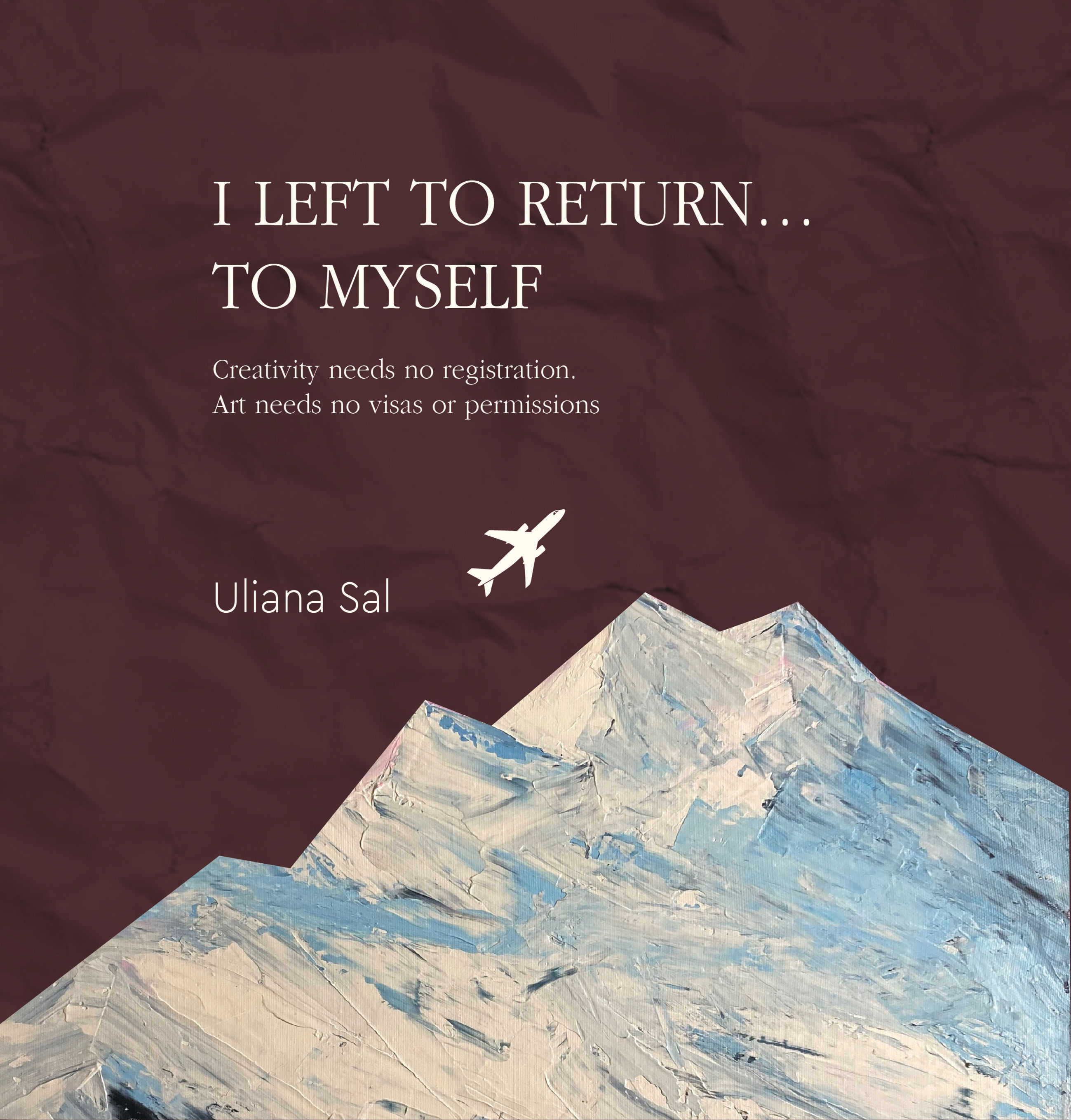
Beyond art: How Uliana Sal turned personal experience into a cultural conversation

Artist, curator, author: Why Uliana Sal’s new book matters beyond the art world

The release of I Left to Return… to Myself marks an important milestone in the career of contemporary artist and curator Uliana Sal. Published by Be Art New York and distributed internationally in print and digital formats across 49 countries through more than 40,000 points of sale, the book represents far more than a personal memoir. It is a contribution to an ongoing professional conversation about art, identity, migration, cultural adaptation, and the role of creativity in periods of profound change.

At a time when millions of people around the world are navigating questions of belonging, relocation, and self-reinvention, Uliana Sal offers a perspective shaped not only by personal experience but also by years of professional engagement with artists, exhibitions, and contemporary cultural discourse.

What makes this publication particularly significant is the intersection of three professional roles that rarely exist within one person: artist, curator, and author.

As a visual artist, Uliana has developed a recognizable abstract language centered on memory, emotional landscapes, and the relationship between people and place. Her work has been presented internationally, including institutional exhibitions such as Woman: Balancing Our World at the Museum of International Art (MoRA) in New Jersey and Talents of Russia at the State Tretyakov Gallery in Moscow. She has also participated in major international art fairs, including Spectrum Miami, and received recognition from international juried organizations such as the Circle Foundation for the Arts.

However, her contribution extends well beyond her own artistic practice.

As Chief Art Manager and Curator at Artseeker Gallery in New York, Uliana has become actively involved in shaping opportunities for other artists. Through exhibition development, international collaborations, and gallery presentations at major events such as Affordable Art Fair New York, she has helped create platforms where emerging and established artists can present their work to new audiences.

Her curatorial projects focus on contemporary social narratives, emotional authenticity, and cross-cultural dialogue. Rather than treating exhibitions as collections of objects, she approaches them as conversations—spaces where artists and audiences engage with questions that define contemporary life.

This perspective is reflected throughout I Left to Return… to Myself.

The book brings together personal reflection, curatorial insight, practical guidance, and stories of artists from different countries whose lives have been shaped by relocation, transformation, and creative reinvention. In doing so, it documents a phenomenon that is increasingly relevant in contemporary culture: the way artistic identity evolves through migration and intercultural experience.

Unlike many books about art that focus primarily on technique or career development, Uliana’s work examines creativity as a mechanism of adaptation. She explores how artists rebuild professional identities in unfamiliar environments, how cultural transitions … Read more

More Than a Portrait: How Dinara Akhmerova Turned Personal Experience into a Method of Seeing Yourself Again

There are photographers who create beautiful images. There are artists who tell stories. And there are people whose work begins long before the camera is lifted.

For photographer and artist Dinara Akhmerova, photography was never simply about creating portraits. It became a language she learned while rebuilding herself.

“I didn’t create this method because I wanted to invent something new,” Dinara says. “I created it because it was the only way I knew how to survive.”

Years ago, her life changed after experiencing domestic violence. Like many people who go through trauma, she found that the hardest part was not only leaving the situation—it was learning how to see herself again.

“The violence ends one day,” she says. “But the way you look at yourself can stay broken for years.”

Photography unexpectedly became part of that journey.

At first, Dinara photographed herself simply because she wanted to understand what she was feeling. She quickly realized that the camera was capturing much more than appearance. It revealed posture, hesitation, confidence, fear, tension, openness, and emotion—often before she was fully aware of them herself.

“I started noticing that every photograph told me something about my inner state,” she explains. “Not because the camera was magical, but because it gave me the opportunity to observe myself from the outside.”

Those observations gradually became a practice.

Over time, Dinara began asking different questions before every session. Instead of asking how to make someone look beautiful, she became interested in understanding how they experienced themselves.

“What are you feeling?”

“What happens in your body when you stand in front of the camera?”

“What story are you telling yourself while looking at your own image?”

These questions slowly formed the foundation of what is now known as the Dinara Akhmerova Method.

Unlike traditional portrait photography, the method is not centered on creating the “perfect” photograph. The image is important, but it is not the final goal. Instead, the photograph becomes part of a larger reflective process that encourages a person to observe themselves with greater awareness.

“I don’t try to change people,” Dinara says. “I try to create a space where they can meet themselves honestly.”

The sessions combine conversation, carefully guided attention, observation of emotional and bodily responses, and portrait photography. Rather than directing every pose mechanically, Dinara works with what naturally appears during the interaction.

She pays attention not only to facial expression but also to breathing, movement, posture, moments of silence, hesitation, and emotional shifts that unfold throughout the session.

“Sometimes people think they came for photographs,” she says. “But they leave saying they finally saw themselves.”

Interestingly, the method did not emerge from theory.

It emerged from years of professional Read more

10,000 Artists Worldwide: How One Project United a Global Community. Interview with Ekaterina Zaznova

When we think of people capable of uniting others—truly, meaningfully, and spiritually—we rarely think of artists. We’re more likely to imagine politicians, activists, or startup founders. But today’s story is about an exception. Ekaterina Zaznova is an artist who has turned her personal journey into a large-scale international movement.

A watercolorist, researcher, and founder of the projects Pro Akvarel and About Watercolour, she has become a true leader of a new generation of artists. Not just because of her paintings, her technique, or her name on the art scene, but because she created a space of power—an online platform where more than 10,000 artists feel part of a unified world.

I spoke with Ekaterina about how these projects were born, what lies behind the numbers, and why communities are as necessary today as galleries.

— Ekaterina, let’s start with the biggest point. 10,000 artists—that sounds almost unbelievable. Did you plan for such a scale from the beginning?
Not at all. It all started very simply—with a desire not to be alone. I had just returned to art after a long break, and around me were many artists who felt isolated. Each was living in their own bubble, yet we all had similar questions, fears, ideas. I thought—why not bring everyone together?

— Is that how Pro Akvarel began?
Yes. That was the first step. I started with small online marathons—one per month. I’d come up with a topic, make a post, invite people. And very quickly it became clear: people didn’t just want a marathon, they needed a space where they could feel supported, grow, and be seen. The project started growing like a living ecosystem.

— What’s the difference between Pro Akvarel and About Watercolour?
Pro Akvarel was originally a Russian-language project—it united artists from Russia and the CIS. About Watercolour is an international format. It includes artists from the U.S., Europe, and Asia. It’s a kind of bridge between schools, traditions, and techniques.

One project is about roots, the other about wings. Together they function as a single organism.

— Why do you think your projects resonated so deeply with people? What’s special about them?
They’re not about competition. Not about the “best result.” They’re about sincerity, freedom, and the feeling that you’re not alone. It’s a place where you can share your work without fear of being judged. Where you’ll be seen, supported, and inspired.

Plus, we put a huge emphasis on education and growth. We host free masterclasses, offer feedback on artworks, invite expert guests. All of this happens in a warm, supportive community—no snobbery, no pretentiousness.

— What formats do you use? Is everything online?
For now, yes. Online gave us freedom: artists from … Read more

Painter Charleston SC: Enhancing Your Home’s Beauty

Charleston, South Carolina, renowned for its rich history, vibrant culture, and stunning architecture, is a city where artistry thrives. From historic landmarks to modern developments, the beauty of Charleston lies not only in its cobblestone streets and antebellum homes but also in the meticulous details of its paintwork. Whether you’re renovating a historic property or refreshing your modern abode, finding the right painter in Charleston, SC, is essential to enhancing your home’s beauty.

What Makes a Great Painter?

A great painter possesses a unique blend of skill, creativity, and attention to detail. From mastering various painting techniques to understanding color theory, a professional painter must have the expertise to transform your vision into reality. Experience is another crucial aspect as it ensures that the painter can tackle any challenges that may arise during the project.

Importance of Hiring a Professional Painter

While DIY painting projects may seem appealing, hiring a professional painter offers numerous advantages. Not only does it guarantee a high-quality finish, but it also saves you valuable time and effort. Professional painters have the necessary tools, knowledge, and techniques to complete the job efficiently, allowing you to focus on other aspects of your home improvement project.

Finding the Right Painter in Charleston, SC

With a plethora of painting contractors in Charleston, finding the right one can seem daunting. However, thorough research and careful consideration can lead you to the perfect painter for your needs. Start by exploring local painters in your area and take the time to read reviews and testimonials from previous clients to gauge their reputation and reliability.

Factors to Consider Before Hiring a Painter

Before hiring a painter, consider factors such as your budget, project timeline, and specific requirements. Communicate your expectations clearly and discuss any special considerations or preferences you may have. Additionally, inquire about the painter’s insurance coverage and licensing to ensure they meet industry standards.

Benefits of Hiring a Local Painter

Opting for a local painter offers several benefits beyond convenience. Local painters are familiar with the unique climate and architecture of Charleston, allowing them to recommend suitable paint types and application methods for optimal results. Furthermore, local painters are more accessible for follow-up services and maintenance, ensuring long-term satisfaction with your paint job.

Painter Charleston SC: Top Picks

In Charleston, SC, several painting companies stand out for their exceptional craftsmanship and customer service. Whether you’re looking to refresh your home’s interior or enhance its curb appeal, these top picks offer a range of services to meet your needs.

Client Testimonials

Don’t just take our word for it! Hear what our satisfied customers have to say about their experience with Charleston painters:

“I was amazed by the professionalism and attention to detail … Read more