Beyond art: How Uliana Sal turned personal experience into a cultural conversation

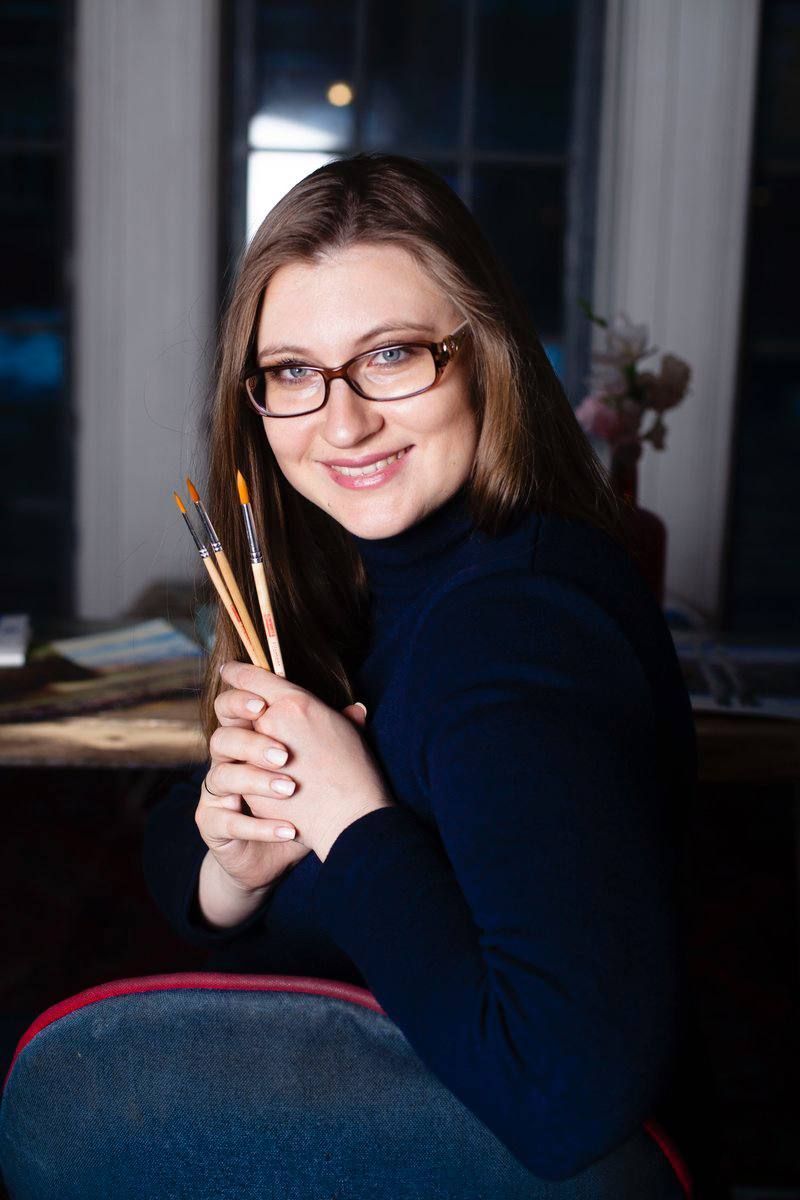
Artist, curator, author: Why Uliana Sal’s new book matters beyond the art world

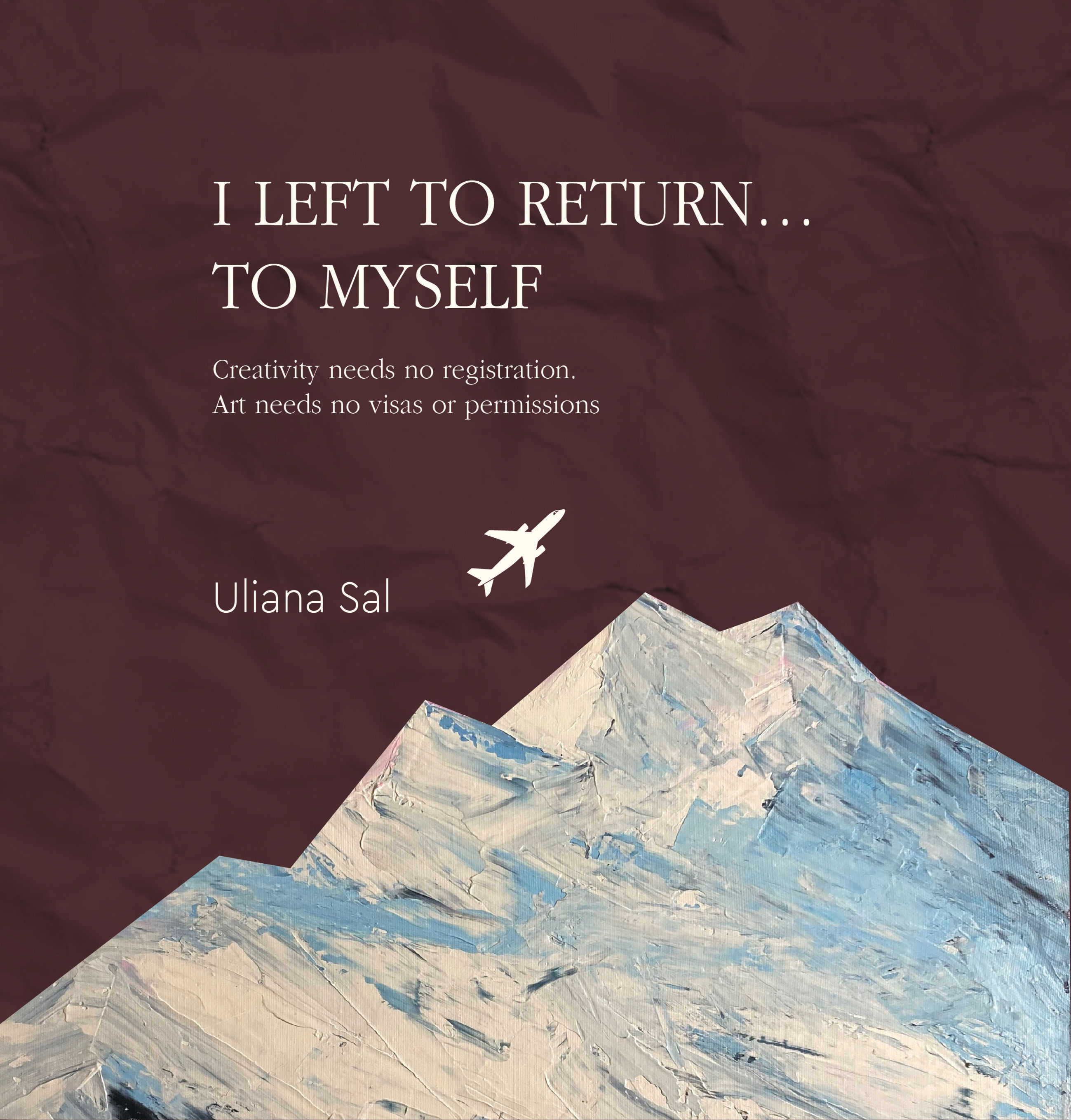
The release of I Left to Return… to Myself marks an important milestone in the career of contemporary artist and curator Uliana Sal. Published by Be Art New York and distributed internationally in print and digital formats across 49 countries through more than 40,000 points of sale, the book represents far more than a personal memoir. It is a contribution to an ongoing professional conversation about art, identity, migration, cultural adaptation, and the role of creativity in periods of profound change.

At a time when millions of people around the world are navigating questions of belonging, relocation, and self-reinvention, Uliana Sal offers a perspective shaped not only by personal experience but also by years of professional engagement with artists, exhibitions, and contemporary cultural discourse.

What makes this publication particularly significant is the intersection of three professional roles that rarely exist within one person: artist, curator, and author.

As a visual artist, Uliana has developed a recognizable abstract language centered on memory, emotional landscapes, and the relationship between people and place. Her work has been presented internationally, including institutional exhibitions such as Woman: Balancing Our World at the Museum of International Art (MoRA) in New Jersey and Talents of Russia at the State Tretyakov Gallery in Moscow. She has also participated in major international art fairs, including Spectrum Miami, and received recognition from international juried organizations such as the Circle Foundation for the Arts.

However, her contribution extends well beyond her own artistic practice.

As Chief Art Manager and Curator at Artseeker Gallery in New York, Uliana has become actively involved in shaping opportunities for other artists. Through exhibition development, international collaborations, and gallery presentations at major events such as Affordable Art Fair New York, she has helped create platforms where emerging and established artists can present their work to new audiences.

Her curatorial projects focus on contemporary social narratives, emotional authenticity, and cross-cultural dialogue. Rather than treating exhibitions as collections of objects, she approaches them as conversations—spaces where artists and audiences engage with questions that define contemporary life.

This perspective is reflected throughout I Left to Return… to Myself.

The book brings together personal reflection, curatorial insight, practical guidance, and stories of artists from different countries whose lives have been shaped by relocation, transformation, and creative reinvention. In doing so, it documents a phenomenon that is increasingly relevant in contemporary culture: the way artistic identity evolves through migration and intercultural experience.

Unlike many books about art that focus primarily on technique or career development, Uliana’s work examines creativity as a mechanism of adaptation. She explores how artists rebuild professional identities in unfamiliar environments, how cultural transitions … Read more

Art That Inspires: An Interview with Elena Stepkina

In a world where most artists focus on private commissions and modest sales, there are those who transcend these norms. Elena Stepkina is one of them. She not only creates vibrant paintings but also redefines the role of art in modern society, elevating it to a new level. In this interview, we spoke with Elena about her journey, achievements, and perspective on art.

interview

— Elena, can you tell us how you began your journey in art?

Art has always been a part of my life. Even as a child, I felt that I could express what words couldn’t through a brush. I received a higher education in fine arts, which gave me not only professionalism but also the ability to think far beyond conventional boundaries.

— Many artists remain within the realm of private creativity. Why was it important for you to participate in exhibitions and competitions?

Exhibitions and competitions are opportunities not only to make a name for yourself but also to prove your professionalism at the highest level. It’s recognition documented by professionals. Initially, it was all about overcoming “impostor syndrome.” I wanted to feel more confident as an artist and have official proof of my skills. It’s a challenging but fascinating path. After every exhibition or competition victory, I felt myself reaching new heights. I eventually achieved milestones like my solo exhibition at the Tretyakov Gallery, which significantly changed my standing in the art world.

— What’s the secret to success in such projects?

First, it’s about hard work and constant development—taking one step at a time. Success doesn’t come from dreaming of “waking up famous” one day but from relentlessly working toward your goal every day. It’s not always smooth, but those who persevere ultimately succeed. Second, consistency and planning are essential. I didn’t make chaotic moves; I always had a plan—and a backup plan. I set a final goal, broke it down into small, manageable steps, and executed them daily. That’s my secret to success. For example, to secure publications in over 80 countries, I sent more than 300 emails. Initially, nothing worked, but after revising my text a few times, I began receiving invitations from publishers. Presentation matters greatly.

— You mentioned belonging to top-tier art unions. How difficult is it to join such organizations?

It’s extremely difficult. It requires serious achievements and international recognition. For instance, joining the Eurasian Art Union or the International Union of Teacher-Artists isn’t possible simply by paying a fee. It’s the result of years of hard work and numerous victories in prestigious competitions.

— You’re also actively involved with the media. How does this help your career?

Media play a crucial role in promoting an artist. For example, Read more

BE ART: A Gallery That Redefines the Art World in the Heart of Manhattan

New York is the center of the world, and Manhattan is its beating heart. It’s here that Elena Stepkina, a renowned artist and visionary, created a unique space where art becomes more accessible to everyone. BE ART Gallery is not just a gallery; it is the embodiment of a new philosophy for engaging with art.

be-art-gallery

How It All Began

The idea of opening a gallery came to Elena naturally. Having participated in numerous exhibitions worldwide, she deeply understood the challenges artists face. “I know this industry inside and out,” Elena explains. “I wanted to create a space with a fundamentally different approach, where artists feel valued, and visitors can connect with art without barriers.”

This ambition became the foundation of BE ART Gallery. One of its standout innovations is the inclusion of QR codes on artwork labels. By scanning them, visitors gain direct access to the artist’s profile, allowing them to view additional works, learn the artist’s story, and even contact them directly. “It’s a step into a new era where art and technology go hand in hand”, Elena says.

BE ART: Philosophy and Mission

The gallery’s name, BE ART, reflects Elena’s core belief: art is everywhere, and it exists within each of us if we only learn to see it. “This name has been with me for over 10 years,” she says. “My projects always help people discover the art within themselves and share it with the world.”

The gallery’s mission is to “Bring art closer to the people.” Here, art is presented not as something distant and inaccessible but as a language everyone can understand.

A Coveted Location

BE ART Gallery is located in the heart of Manhattan, on West 41st Street, just two minutes from Times Square. “We saw the space in late December and immediately knew it was the one,” Elena recalls. “We invested all our savings into this project, going all in because we believed that art deserved a place at the center of the world.”

Two months later, the gallery’s first exhibition was held. Since then, seven international exhibitions and two competitions have taken place in the space.

Innovations That Inspire

One of the gallery’s most ambitious projects is the publication of the book Be Art World, now available in 49 countries. It features nearly 200 artists selected by Elena and her team. “This book is about people. Art isn’t just something abstract in museums; it’s living stories, emotions, and inspiration. We wanted to convey that to the world,” she explains.

A Space for Every Form of Art

The gallery hosts exhibitions for painters, photographers, and digital artists. “We showcase everything that can be hung on a wall,” Elena says with a Read more

How to Improve Your Artistic Skills

Artistic expression is a fundamental aspect of human culture and personal identity. Whether you’re a child exploring the world through colors and shapes or an adult looking to refine your technique, there are numerous ways to enhance your artistic skills. This article will explore practical strategies to help you become a better artist, including the importance of participating in art contests, a practice beneficial for individuals of all ages.

Practice Regularly

The old adage “practice makes perfect” holds particularly true for art. Regular practice helps in honing your skills, understanding your medium, and developing your unique style. Set aside dedicated time each day or week to draw, paint, or sculpt. Consistency is key to making significant progress.

Sketch Daily

One effective way to practice is by keeping a sketchbook and drawing daily. Sketching allows you to experiment with different techniques, compositions, and subjects without the pressure of creating a finished piece. This daily habit helps build muscle memory and improves your ability to capture what you see quickly and accurately.

Experiment with Mediums

Don’t restrict yourself to just one medium. Experimenting with various materials like charcoal, watercolor, acrylics, or digital tools can provide new perspectives and skills. Each medium has its unique properties and challenges, broadening your artistic repertoire and enhancing your overall creativity.

Learn from Others

Learning from other artists can provide invaluable insights and inspiration. This can be achieved through various means:

Take Art Classes

Enrolling in art classes, whether in-person or online, can significantly improve your skills. These classes often provide structured lessons on techniques, art history, and critical analysis, which can deepen your understanding and appreciation of art.

Study Artworks

Spend time studying both classical and contemporary artworks. Analyze what makes them successful, focusing on aspects like composition, color, texture, and technique. Visiting galleries, museums, or browsing art books and online portfolios can be both educational and inspiring.

Seek Feedback

Constructive criticism is crucial for growth. Share your work with others and be open to feedback. Join art communities, either locally or online, where you can post your work and receive advice from more experienced artists. Learning to accept and use feedback effectively can help you identify areas for improvement.

Participate in Art Contests

One of the most effective ways to challenge yourself and improve your skills is by participating in art contests. These competitions are beneficial for both children and adults and offer several advantages:

Motivation and Focus

Art contests provide a clear goal and deadline, which can be highly motivating. Working towards a specific objective helps you focus your efforts and push your boundaries. The excitement of competition can inspire you to try new techniques and improve your current skills.

Exposure and Recognition

Read more

10,000 Artists Worldwide: How One Project United a Global Community. Interview with Ekaterina Zaznova

When we think of people capable of uniting others—truly, meaningfully, and spiritually—we rarely think of artists. We’re more likely to imagine politicians, activists, or startup founders. But today’s story is about an exception. Ekaterina Zaznova is an artist who has turned her personal journey into a large-scale international movement.

A watercolorist, researcher, and founder of the projects Pro Akvarel and About Watercolour, she has become a true leader of a new generation of artists. Not just because of her paintings, her technique, or her name on the art scene, but because she created a space of power—an online platform where more than 10,000 artists feel part of a unified world.

I spoke with Ekaterina about how these projects were born, what lies behind the numbers, and why communities are as necessary today as galleries.

— Ekaterina, let’s start with the biggest point. 10,000 artists—that sounds almost unbelievable. Did you plan for such a scale from the beginning?
Not at all. It all started very simply—with a desire not to be alone. I had just returned to art after a long break, and around me were many artists who felt isolated. Each was living in their own bubble, yet we all had similar questions, fears, ideas. I thought—why not bring everyone together?

— Is that how Pro Akvarel began?
Yes. That was the first step. I started with small online marathons—one per month. I’d come up with a topic, make a post, invite people. And very quickly it became clear: people didn’t just want a marathon, they needed a space where they could feel supported, grow, and be seen. The project started growing like a living ecosystem.

— What’s the difference between Pro Akvarel and About Watercolour?
Pro Akvarel was originally a Russian-language project—it united artists from Russia and the CIS. About Watercolour is an international format. It includes artists from the U.S., Europe, and Asia. It’s a kind of bridge between schools, traditions, and techniques.

One project is about roots, the other about wings. Together they function as a single organism.

— Why do you think your projects resonated so deeply with people? What’s special about them?
They’re not about competition. Not about the “best result.” They’re about sincerity, freedom, and the feeling that you’re not alone. It’s a place where you can share your work without fear of being judged. Where you’ll be seen, supported, and inspired.

Plus, we put a huge emphasis on education and growth. We host free masterclasses, offer feedback on artworks, invite expert guests. All of this happens in a warm, supportive community—no snobbery, no pretentiousness.

— What formats do you use? Is everything online?
For now, yes. Online gave us freedom: artists from … Read more