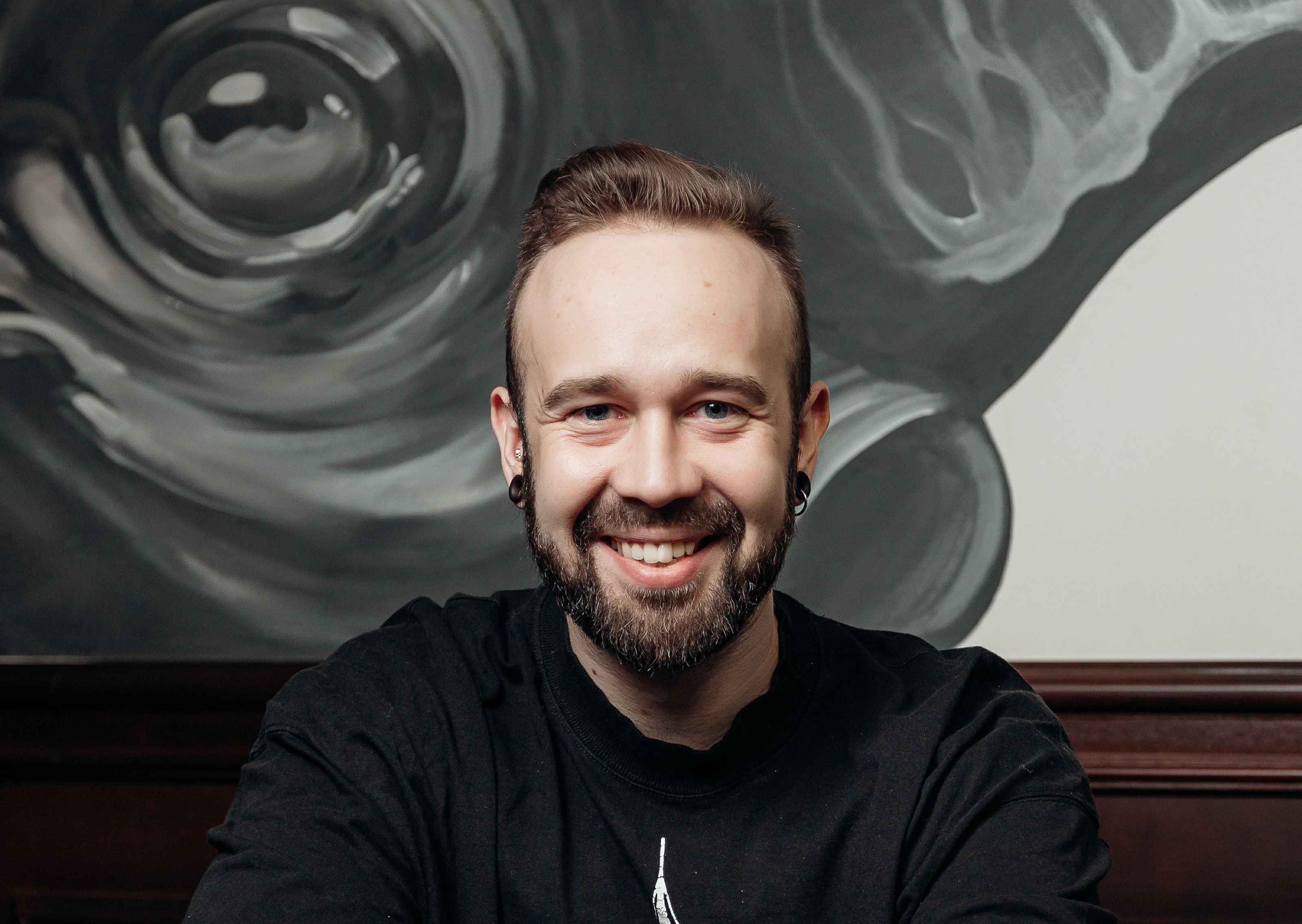
Roman Zao: “An artist’s responsibility begins where the trend ends”

In an era defined by visual speed and rapidly shifting trends, the tattoo industry is increasingly confronted with the question of artistic responsibility. We spoke with Roman Zao — an internationally recognized tattoo artist, judge at major tattoo conventions in the United States, and author of academic publications — about why following trends cannot serve as a primary compass in the profession, and where true artistic maturity begins.

— Roman, you often speak about the responsibility of the artist. What does this concept mean to you?
— Responsibility begins the moment you stop orienting yourself solely around external demand. A trend is always temporary. A tattoo stays with a person for life. An artist must understand the difference between what is fashionable today and what will still carry meaning tomorrow.

— Does that mean trends are a problem for the tattoo industry?
— Trends themselves aren’t the problem. The problem begins when they replace thinking. When an artist works only within the logic of trends, they stop being an author and become an executor. At some point, you have to ask yourself whether you’re creating an image or simply reproducing visual noise.

— How does this position translate into your own practice?
— I deliberately avoid template-based solutions. Every tattoo is a dialogue with a specific person, their body, and their personal history. The artist’s responsibility isn’t just to create something visually appealing, but to understand what exactly they are leaving on someone’s body.

— You serve as a judge at international tattoo conventions. How often do you encounter trend-driven work?
— Very often. There’s a lot of technically strong work. But when you review dozens or hundreds of tattoos in a row, it becomes immediately clear where there’s an authorial position and where there’s simply an attempt to match current fashion. Trends fade quickly. The absence of thinking is visible right away.

— What do you focus on first when judging?
— Coherence. How well form corresponds to idea, how respectfully the work engages with the body, and whether the artist understands the consequences of their decisions. In tattooing, there’s no “undo” button. That reality forces discipline.

— You are also engaged in academic research. How does that relate to the theme of responsibility?
— Directly. Research is a form of responsibility toward the profession. When you analyze tattooing as a cultural phenomenon, you begin to understand that your work doesn’t exist in isolation. It’s connected to history, society, and visual culture. That awareness changes how you approach every project.

— Can a research-based approach protect artists from blindly following trends?
— Yes, because you stop thinking in terms of “like” or “dislike” and start thinking in terms of … Read more

Art That Inspires: An Interview with Elena Stepkina

In a world where most artists focus on private commissions and modest sales, there are those who transcend these norms. Elena Stepkina is one of them. She not only creates vibrant paintings but also redefines the role of art in modern society, elevating it to a new level. In this interview, we spoke with Elena about her journey, achievements, and perspective on art.

interview

— Elena, can you tell us how you began your journey in art?

Art has always been a part of my life. Even as a child, I felt that I could express what words couldn’t through a brush. I received a higher education in fine arts, which gave me not only professionalism but also the ability to think far beyond conventional boundaries.

— Many artists remain within the realm of private creativity. Why was it important for you to participate in exhibitions and competitions?

Exhibitions and competitions are opportunities not only to make a name for yourself but also to prove your professionalism at the highest level. It’s recognition documented by professionals. Initially, it was all about overcoming “impostor syndrome.” I wanted to feel more confident as an artist and have official proof of my skills. It’s a challenging but fascinating path. After every exhibition or competition victory, I felt myself reaching new heights. I eventually achieved milestones like my solo exhibition at the Tretyakov Gallery, which significantly changed my standing in the art world.

— What’s the secret to success in such projects?

First, it’s about hard work and constant development—taking one step at a time. Success doesn’t come from dreaming of “waking up famous” one day but from relentlessly working toward your goal every day. It’s not always smooth, but those who persevere ultimately succeed. Second, consistency and planning are essential. I didn’t make chaotic moves; I always had a plan—and a backup plan. I set a final goal, broke it down into small, manageable steps, and executed them daily. That’s my secret to success. For example, to secure publications in over 80 countries, I sent more than 300 emails. Initially, nothing worked, but after revising my text a few times, I began receiving invitations from publishers. Presentation matters greatly.

— You mentioned belonging to top-tier art unions. How difficult is it to join such organizations?

It’s extremely difficult. It requires serious achievements and international recognition. For instance, joining the Eurasian Art Union or the International Union of Teacher-Artists isn’t possible simply by paying a fee. It’s the result of years of hard work and numerous victories in prestigious competitions.

— You’re also actively involved with the media. How does this help your career?

Media play a crucial role in promoting an artist. For example, Read more

BE ART: A Gallery That Redefines the Art World in the Heart of Manhattan

New York is the center of the world, and Manhattan is its beating heart. It’s here that Elena Stepkina, a renowned artist and visionary, created a unique space where art becomes more accessible to everyone. BE ART Gallery is not just a gallery; it is the embodiment of a new philosophy for engaging with art.

be-art-gallery

How It All Began

The idea of opening a gallery came to Elena naturally. Having participated in numerous exhibitions worldwide, she deeply understood the challenges artists face. “I know this industry inside and out,” Elena explains. “I wanted to create a space with a fundamentally different approach, where artists feel valued, and visitors can connect with art without barriers.”

This ambition became the foundation of BE ART Gallery. One of its standout innovations is the inclusion of QR codes on artwork labels. By scanning them, visitors gain direct access to the artist’s profile, allowing them to view additional works, learn the artist’s story, and even contact them directly. “It’s a step into a new era where art and technology go hand in hand”, Elena says.

BE ART: Philosophy and Mission

The gallery’s name, BE ART, reflects Elena’s core belief: art is everywhere, and it exists within each of us if we only learn to see it. “This name has been with me for over 10 years,” she says. “My projects always help people discover the art within themselves and share it with the world.”

The gallery’s mission is to “Bring art closer to the people.” Here, art is presented not as something distant and inaccessible but as a language everyone can understand.

A Coveted Location

BE ART Gallery is located in the heart of Manhattan, on West 41st Street, just two minutes from Times Square. “We saw the space in late December and immediately knew it was the one,” Elena recalls. “We invested all our savings into this project, going all in because we believed that art deserved a place at the center of the world.”

Two months later, the gallery’s first exhibition was held. Since then, seven international exhibitions and two competitions have taken place in the space.

Innovations That Inspire

One of the gallery’s most ambitious projects is the publication of the book Be Art World, now available in 49 countries. It features nearly 200 artists selected by Elena and her team. “This book is about people. Art isn’t just something abstract in museums; it’s living stories, emotions, and inspiration. We wanted to convey that to the world,” she explains.

A Space for Every Form of Art

The gallery hosts exhibitions for painters, photographers, and digital artists. “We showcase everything that can be hung on a wall,” Elena says with a Read more

How to Improve Your Artistic Skills

Artistic expression is a fundamental aspect of human culture and personal identity. Whether you’re a child exploring the world through colors and shapes or an adult looking to refine your technique, there are numerous ways to enhance your artistic skills. This article will explore practical strategies to help you become a better artist, including the importance of participating in art contests, a practice beneficial for individuals of all ages.

Practice Regularly

The old adage “practice makes perfect” holds particularly true for art. Regular practice helps in honing your skills, understanding your medium, and developing your unique style. Set aside dedicated time each day or week to draw, paint, or sculpt. Consistency is key to making significant progress.

Sketch Daily

One effective way to practice is by keeping a sketchbook and drawing daily. Sketching allows you to experiment with different techniques, compositions, and subjects without the pressure of creating a finished piece. This daily habit helps build muscle memory and improves your ability to capture what you see quickly and accurately.

Experiment with Mediums

Don’t restrict yourself to just one medium. Experimenting with various materials like charcoal, watercolor, acrylics, or digital tools can provide new perspectives and skills. Each medium has its unique properties and challenges, broadening your artistic repertoire and enhancing your overall creativity.

Learn from Others

Learning from other artists can provide invaluable insights and inspiration. This can be achieved through various means:

Take Art Classes

Enrolling in art classes, whether in-person or online, can significantly improve your skills. These classes often provide structured lessons on techniques, art history, and critical analysis, which can deepen your understanding and appreciation of art.

Study Artworks

Spend time studying both classical and contemporary artworks. Analyze what makes them successful, focusing on aspects like composition, color, texture, and technique. Visiting galleries, museums, or browsing art books and online portfolios can be both educational and inspiring.

Seek Feedback

Constructive criticism is crucial for growth. Share your work with others and be open to feedback. Join art communities, either locally or online, where you can post your work and receive advice from more experienced artists. Learning to accept and use feedback effectively can help you identify areas for improvement.

Participate in Art Contests

One of the most effective ways to challenge yourself and improve your skills is by participating in art contests. These competitions are beneficial for both children and adults and offer several advantages:

Motivation and Focus

Art contests provide a clear goal and deadline, which can be highly motivating. Working towards a specific objective helps you focus your efforts and push your boundaries. The excitement of competition can inspire you to try new techniques and improve your current skills.

Exposure and Recognition

Read more

Painter Charleston SC: Enhancing Your Home’s Beauty

Charleston, South Carolina, renowned for its rich history, vibrant culture, and stunning architecture, is a city where artistry thrives. From historic landmarks to modern developments, the beauty of Charleston lies not only in its cobblestone streets and antebellum homes but also in the meticulous details of its paintwork. Whether you’re renovating a historic property or refreshing your modern abode, finding the right painter in Charleston, SC, is essential to enhancing your home’s beauty.

What Makes a Great Painter?

A great painter possesses a unique blend of skill, creativity, and attention to detail. From mastering various painting techniques to understanding color theory, a professional painter must have the expertise to transform your vision into reality. Experience is another crucial aspect as it ensures that the painter can tackle any challenges that may arise during the project.

Importance of Hiring a Professional Painter

While DIY painting projects may seem appealing, hiring a professional painter offers numerous advantages. Not only does it guarantee a high-quality finish, but it also saves you valuable time and effort. Professional painters have the necessary tools, knowledge, and techniques to complete the job efficiently, allowing you to focus on other aspects of your home improvement project.

Finding the Right Painter in Charleston, SC

With a plethora of painting contractors in Charleston, finding the right one can seem daunting. However, thorough research and careful consideration can lead you to the perfect painter for your needs. Start by exploring local painters in your area and take the time to read reviews and testimonials from previous clients to gauge their reputation and reliability.

Factors to Consider Before Hiring a Painter

Before hiring a painter, consider factors such as your budget, project timeline, and specific requirements. Communicate your expectations clearly and discuss any special considerations or preferences you may have. Additionally, inquire about the painter’s insurance coverage and licensing to ensure they meet industry standards.

Benefits of Hiring a Local Painter

Opting for a local painter offers several benefits beyond convenience. Local painters are familiar with the unique climate and architecture of Charleston, allowing them to recommend suitable paint types and application methods for optimal results. Furthermore, local painters are more accessible for follow-up services and maintenance, ensuring long-term satisfaction with your paint job.

Painter Charleston SC: Top Picks

In Charleston, SC, several painting companies stand out for their exceptional craftsmanship and customer service. Whether you’re looking to refresh your home’s interior or enhance its curb appeal, these top picks offer a range of services to meet your needs.

Client Testimonials

Don’t just take our word for it! Hear what our satisfied customers have to say about their experience with Charleston painters:

“I was amazed by the professionalism and attention to detail … Read more